

Política

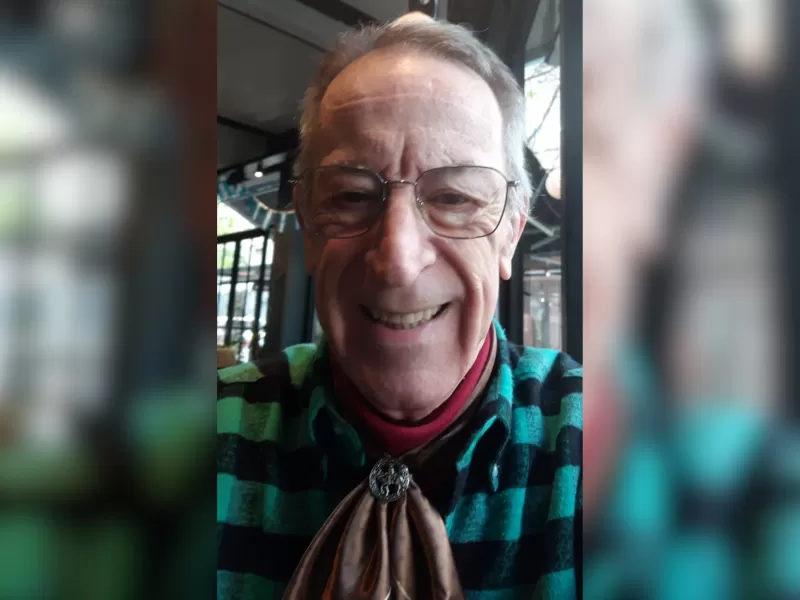
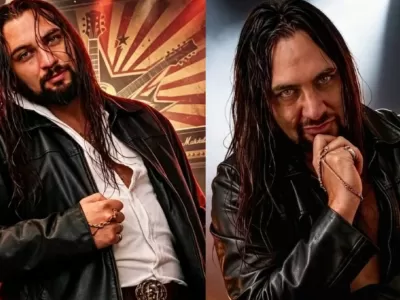
Lejos de la mirada del hincha tradicional, Jhosemaria De Niro analizó el Mundial recientemente finalizado desde una perspectiva social y cultural. Reflexionó sobre el triunfalismo que rodeó a la Selección Argentina, valoró la actitud de Lionel Messi, Lionel Scaloni y todo el plantel, cuestionó el impacto de las redes sociales y compartió cómo proyecta su presente artístico.
—¿Qué puedes decir de tu experiencia durante el Mundial de Fútbol que acaba de terminar?
—Nada se termina, todo vuelve a comenzar. Todo aquel que me conoce sabe que no soy "futbolero". Lo he jugado con entusiasmo tanto durante mi niñez como en mi juventud. Pero no pude sentir pasión por ningún club. Creo que mi fervor inicial fue algo relacionado con la infancia. El Bachillerato y la Universidad encendieron otros intereses. En esos años comenzó mi profunda desconfianza por la actitud de las multitudes, siempre ligadas a lo irracional.
En lo personal me fatigó el uso y abuso histérico desde la publicidad tratando de instalar la seguridad de que la Selección Argentina ganaría su cuarto campeonato. Si bien el subcampeonato es también muy honroso, se constató, en lo inmediato, una profunda tristeza social. ¿Y qué esperaban después del bombardeo a toda hora de un exagerado espíritu triunfalista?
—¿Hubo, a tu criterio, una campaña contra la Argentina?
—Inevitablemente hay gente que mezcla, en cualquier torneo que involucre a países, cuestiones extra deportivas. Es la naturaleza humana.
Pienso, y lo repito, que la irracionalidad es la actitud más extendida si miramos a lo masivo. Pocos son los que piensan. Yo sé que soy antipático por decir estas cosas y se me considera elitista. Pero, como decía Gandhi: "Aunque una verdad la sostenga una sola persona contra la mayoría, seguirá siendo una verdad".
Creo que el Mundial de Fútbol ya no merece ningún comentario más.
Sí me gustaría que la sociedad argentina tome nota de lo que significa la humildad y grandeza de Messi y Scaloni, sumados a todo el plantel. Los argentinos necesitan mirarse en personas como éstas. La corrupción, la mediocridad y la maldad han horadado el alma de los argentinos. Lo más valioso de este torneo ha sido la moral y la ética de todo el plantel. Lástima que solamente sea fútbol.
—¿Desde dónde has seguido el torneo?
—El principio desde España y, llegando a los cuartos de final, desde Buenos Aires.
—¿Qué rescatarías de las redes sociales?
—Absolutamente nada. El mundo ha sido siempre así. Sólo que ahora todos se pueden expresar y eso provoca que se mezclen expresiones interesantes y/o inteligentes con verdaderas bestialidades irreproducibles, difíciles de digerir.
—¿Y tu devenir artístico? ¿Cómo se avizora?
—Lo defino con la misma frase con que comenzamos nuestra conversación:
"Nada se termina, todo vuelve a comenzar; mueren ilusiones, otras nuevas nacerán", como dijo Manuel Alejandro en una hermosa canción que cantó el gran Raphael.
ENGLISH
—What can you tell us about your experience during the World Cup that has just ended?
—Nothing ever ends; everything begins again. Anyone who knows me knows that I’m not a football fan. I played the game enthusiastically both as a child and in my youth. But I could never muster any passion for any particular club. I think my initial enthusiasm was linked to my childhood. Secondary school and university sparked other interests. It was during those years that my deep mistrust of the behaviour of crowds—which is always linked to irrationality—began.
Personally, I grew weary of the hysterical use and abuse of advertising trying to instil the certainty that the Argentine national team would win its fourth championship. Whilst finishing as runners-up is also a great honour, there was, in the immediate aftermath, a profound sense of social sadness. And what else could people have expected after the round-the-clock bombardment of an exaggerated triumphalist spirit?
—In your view, was there a campaign against Argentina?
—Inevitably, in any tournament involving countries, there are people who bring in issues unrelated to sport. It’s human nature.
I believe, and I’ll say it again, that irrationality is the most widespread attitude when we look at the bigger picture. Few people actually think for themselves. I know I’m unpopular for saying these things, and I’m seen as elitist. But as Gandhi said, "Even if a truth is held by just one person against the majority, it will still be the truth."
I don’t think the World Cup warrants any further comment.
I would, however, like Argentine society to take note of the humility and greatness shown by Messi and Scaloni, along with the whole squad. Argentines need to look up to people like them. Corruption, mediocrity and malice have corroded the very soul of the Argentine people. The most valuable aspect of this tournament has been the morale and ethics of the entire squad. It’s a pity it’s only football.
—Where have you been following the tournament from?
—From the start in Spain, and then from Buenos Aires for the quarter-finals.
—What would you highlight about social media?
—Absolutely nothing. The world has always been like this. It’s just that now everyone can express themselves, and that means interesting and/or intelligent comments are mixed in with truly unspeakable, hard-to-stomach nonsense.
—And what about your artistic future? How do you see it unfolding?
—I’d sum it up with the very same phrase we began our conversation with:
"Nothing ever ends; everything begins anew. Hopes die, but new ones are born," as Manuel Alejandro put it in a beautiful song sung by the great Raphael.